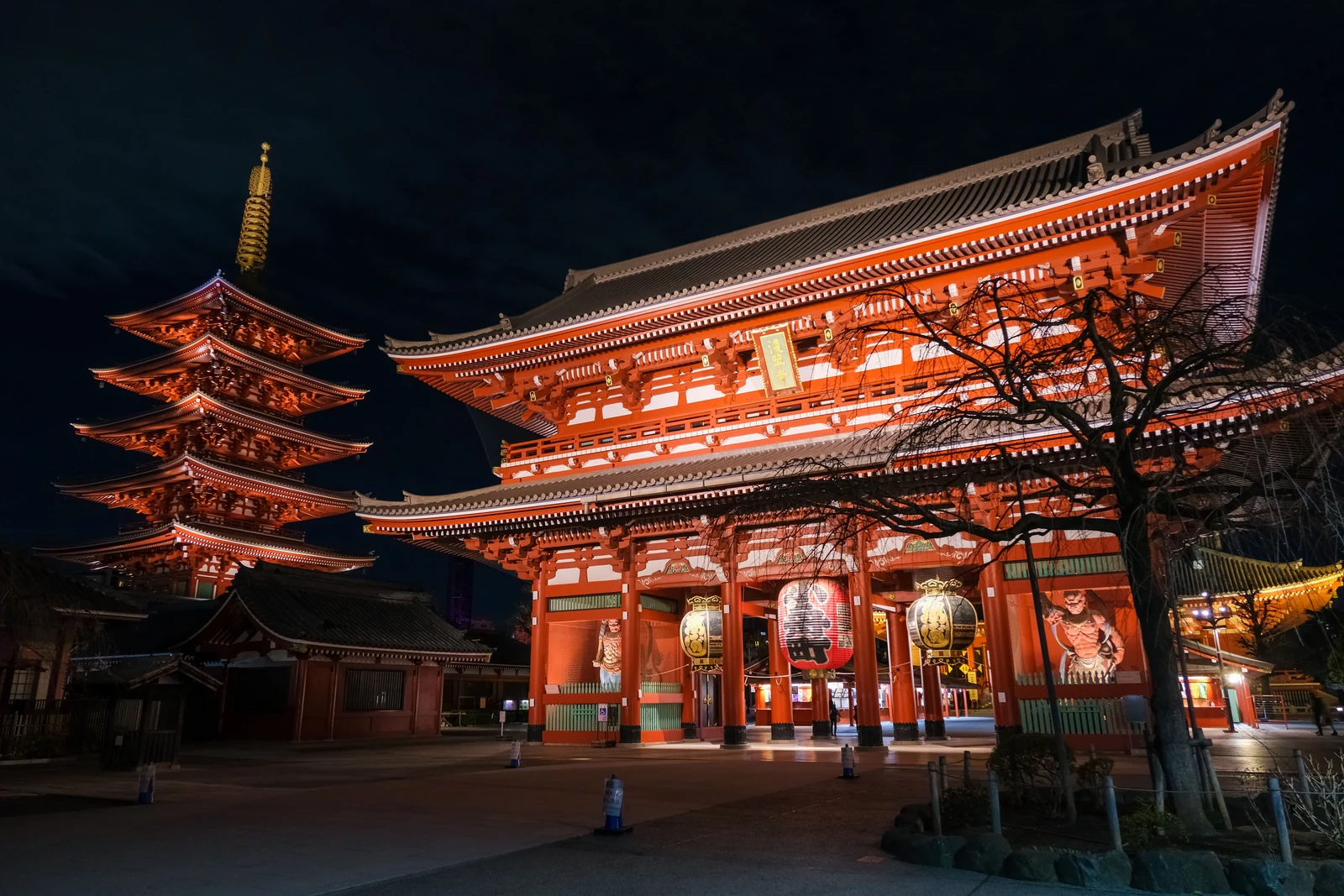
Asakusa & Sensoji浅草と浅草寺
Begin with the temple and its approach, then explore the surrounding streets. Traditional shops and places to eat give the neighbourhood its everyday character.浅草寺と
CYBERGENE / TOKYO AREA CyberGene / 東京エリア
Begin with the neighbourhoods of Tokyo. Beyond them are mountain towns, art and the coast.東京の街を
Tokyo, and five journeys beyond the city.東京と、
A temple street in Asakusa, pottery in Mashiko, a garden in Yokohama. The places around Tokyo offer more than a change of scenery: they reveal different ways of living, making and gathering. Choose a few that interest you, then leave enough time to appreciate each one.浅草の
01 / TOKYO01 / 東京
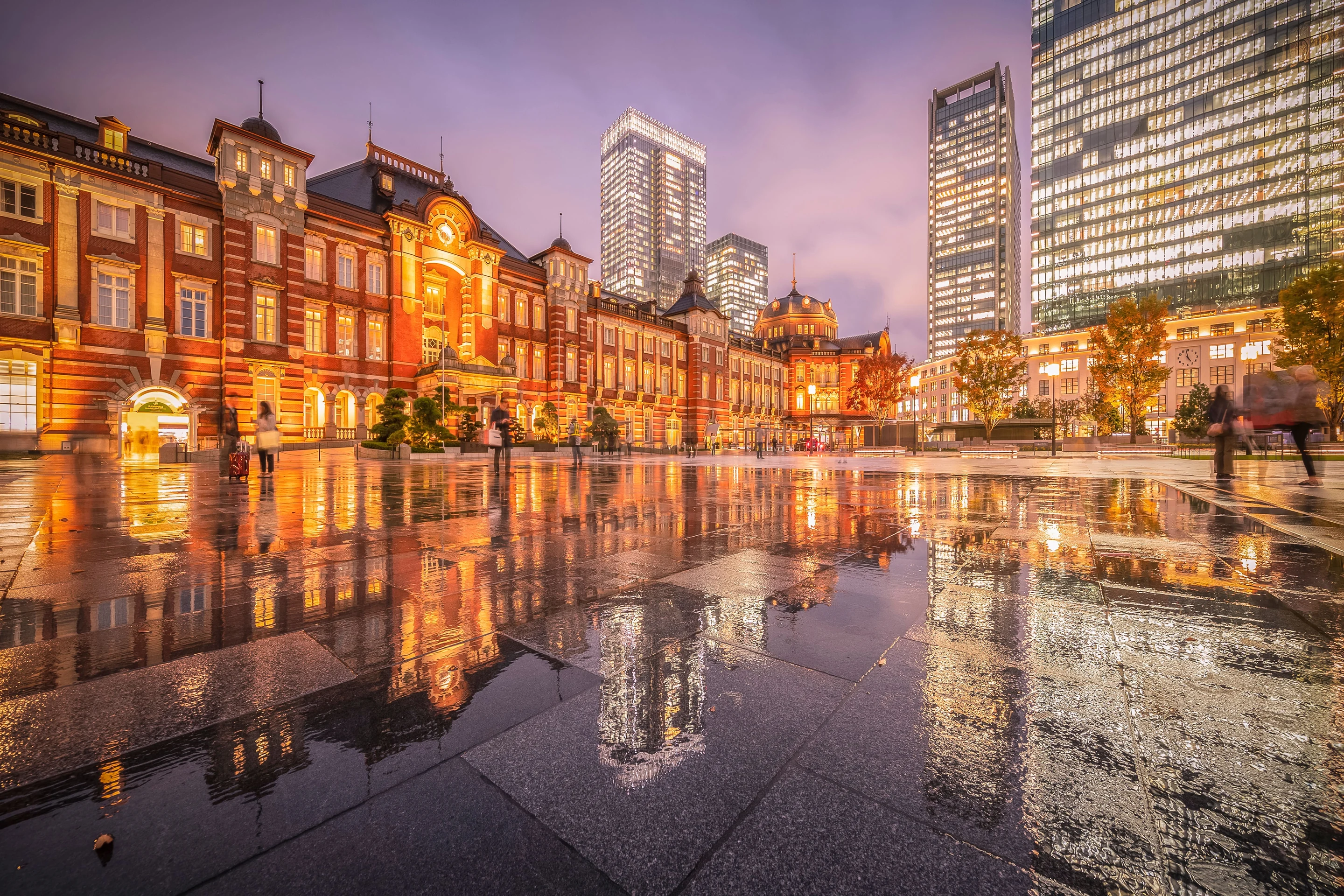
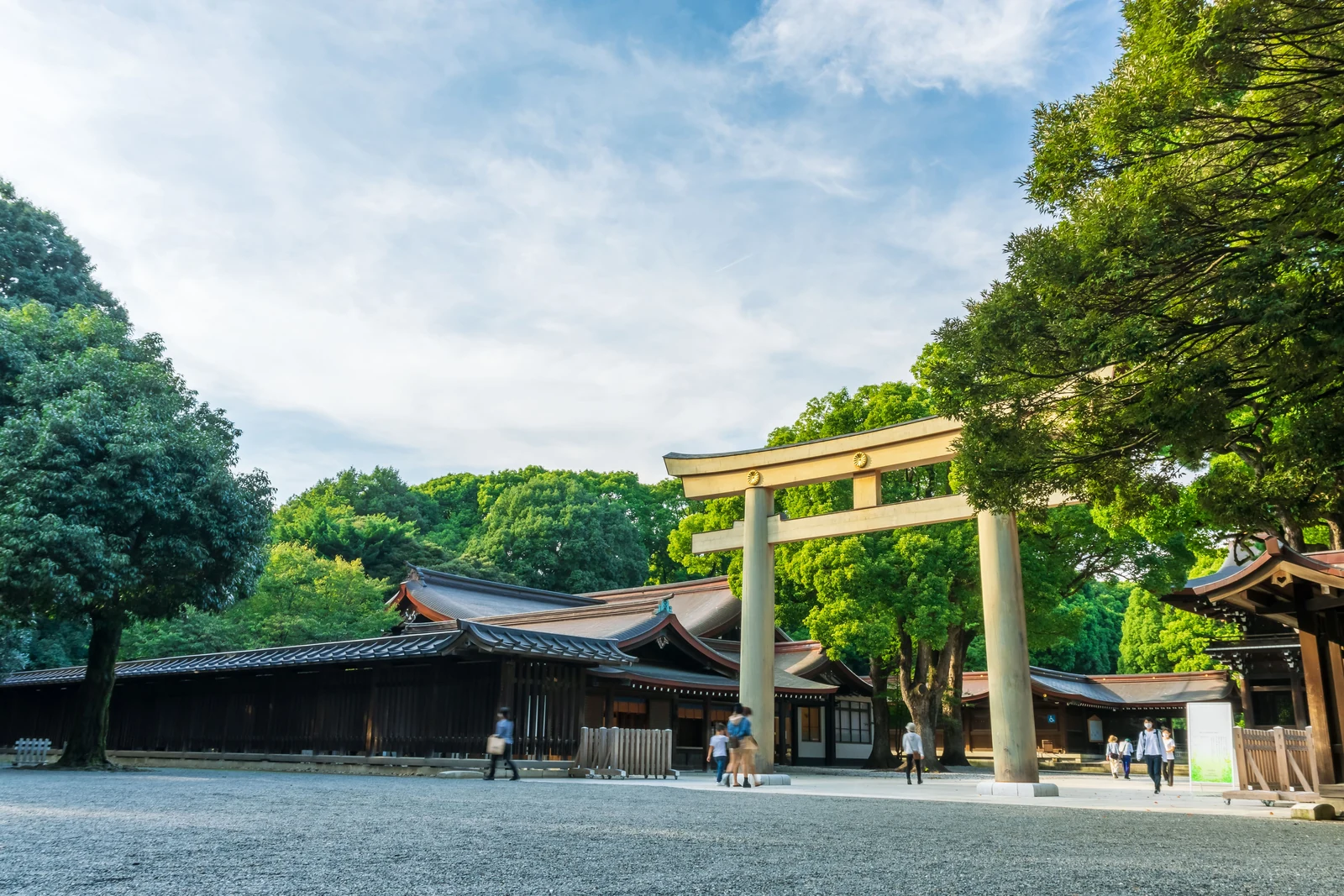
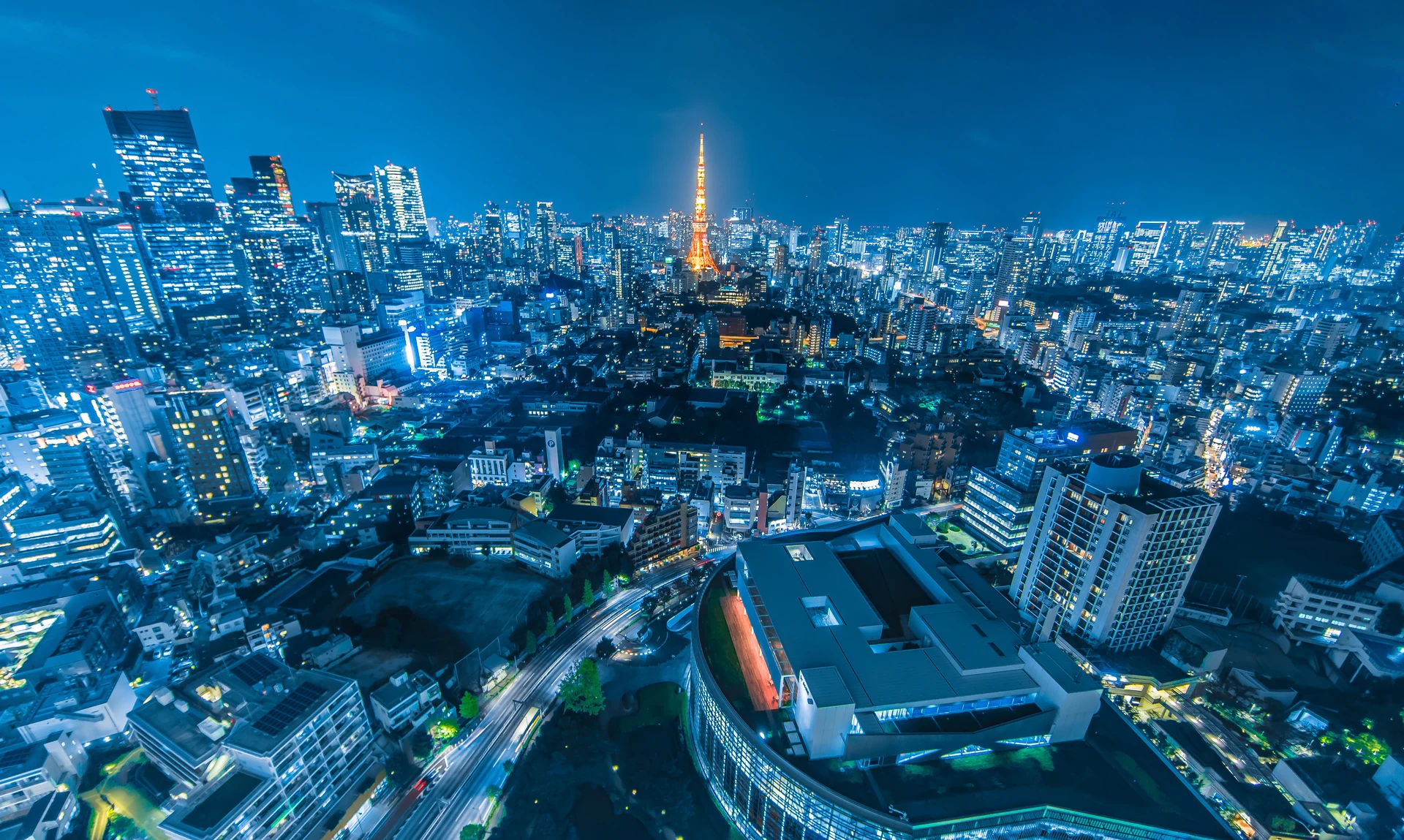
Tokyo rewards a closer look. In Asakusa, temple gates and traditional shopfronts carry the atmosphere of old Edo. Marunouchi offers another view: the red-brick Tokyo Station against a contemporary cityscape. Further west, Meiji Jingu's wooded approach sits near the fashion and architecture of Omotesando.少し
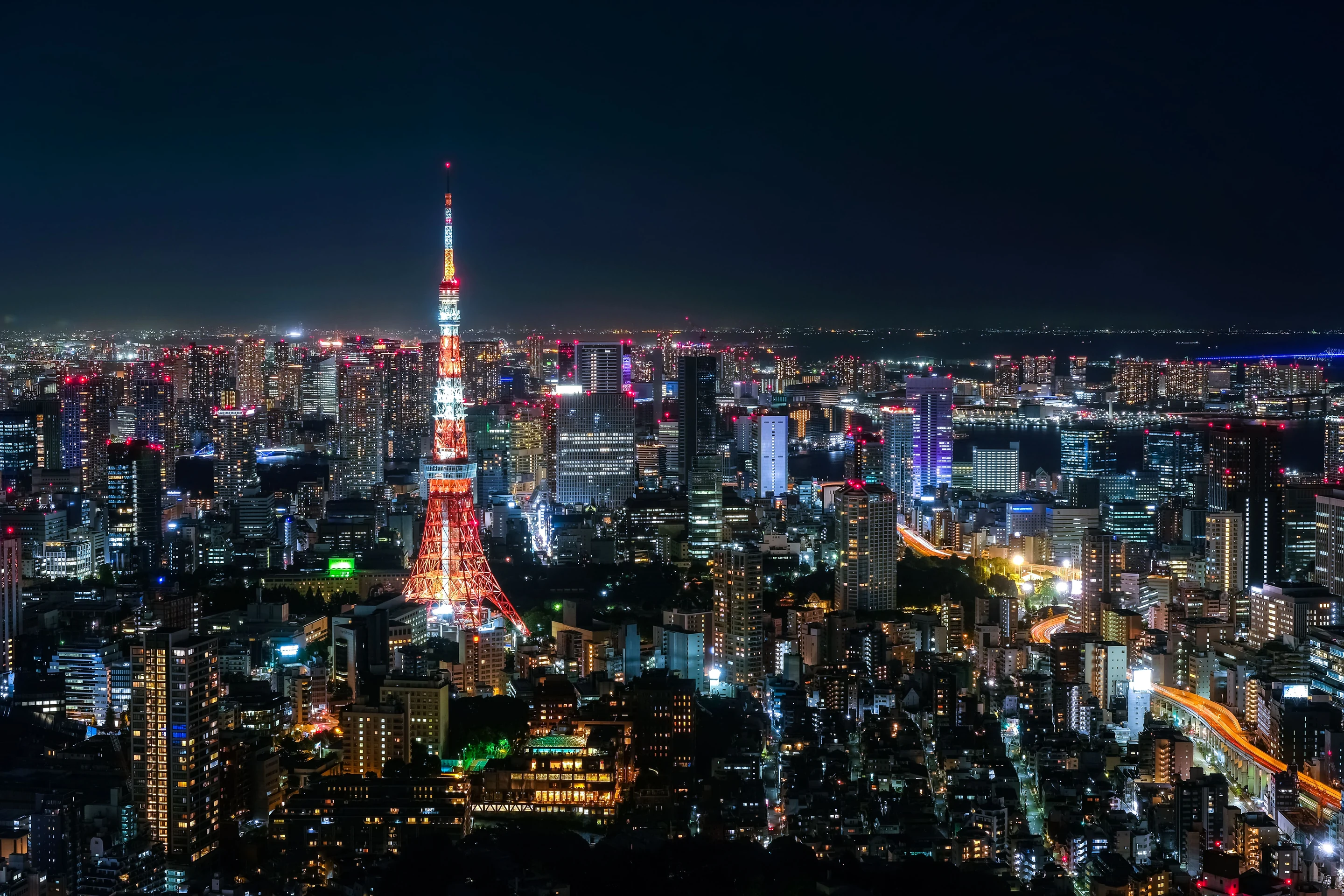
There is no need to cross the whole city in a day. Spend a morning in one neighbourhood, make time for a meal, or see the skyline after dark. A day shaped around your interests often leaves a stronger impression than a long list of stops.一日で
Begin with the temple and its approach, then explore the surrounding streets. Traditional shops and places to eat give the neighbourhood its everyday character.浅草寺と
Wooded shrine grounds and contemporary storefronts offer two distinct perspectives. Choose a visit focused on the shrine, architecture, shopping, or an afternoon combining them.木々に
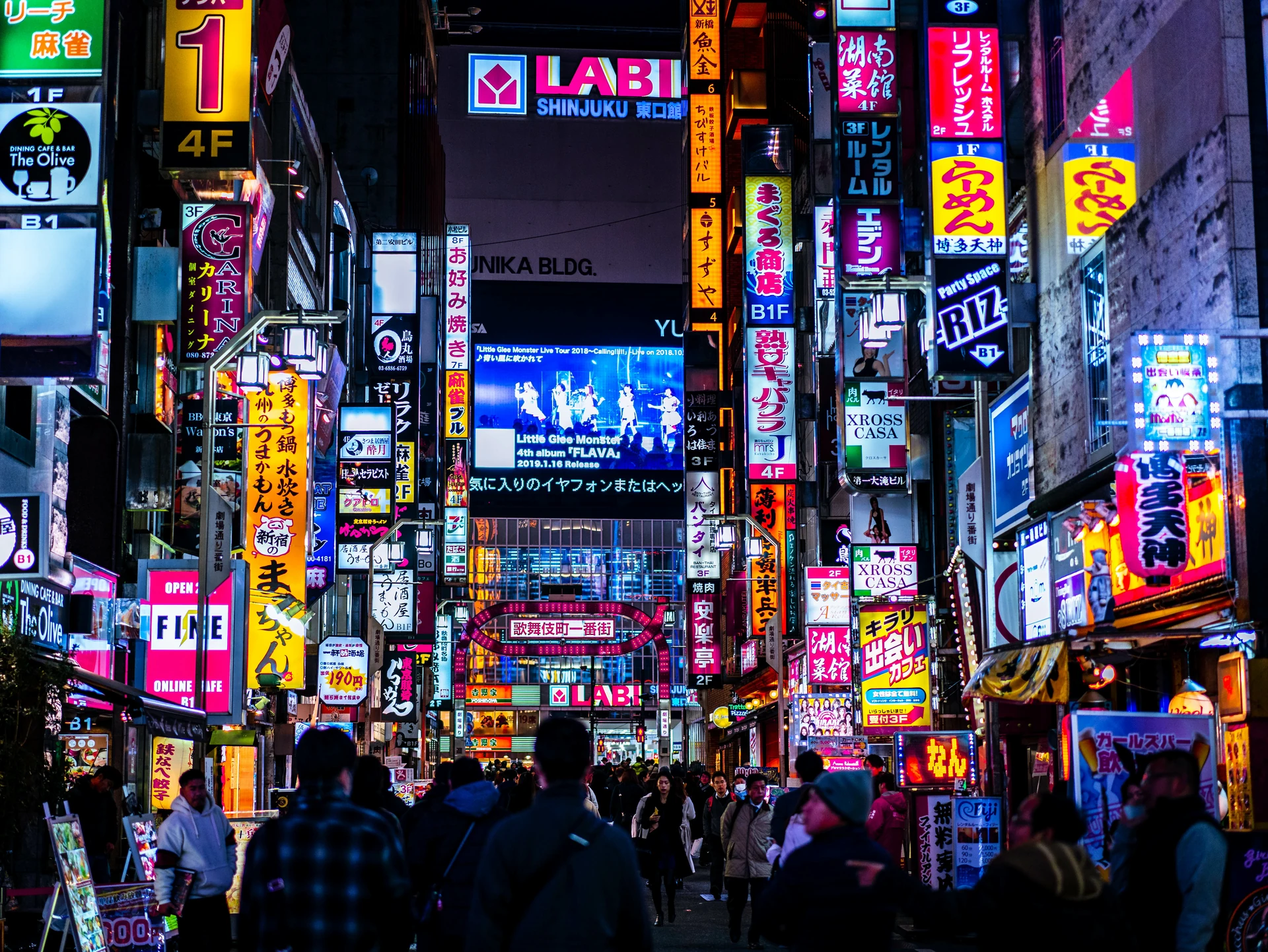
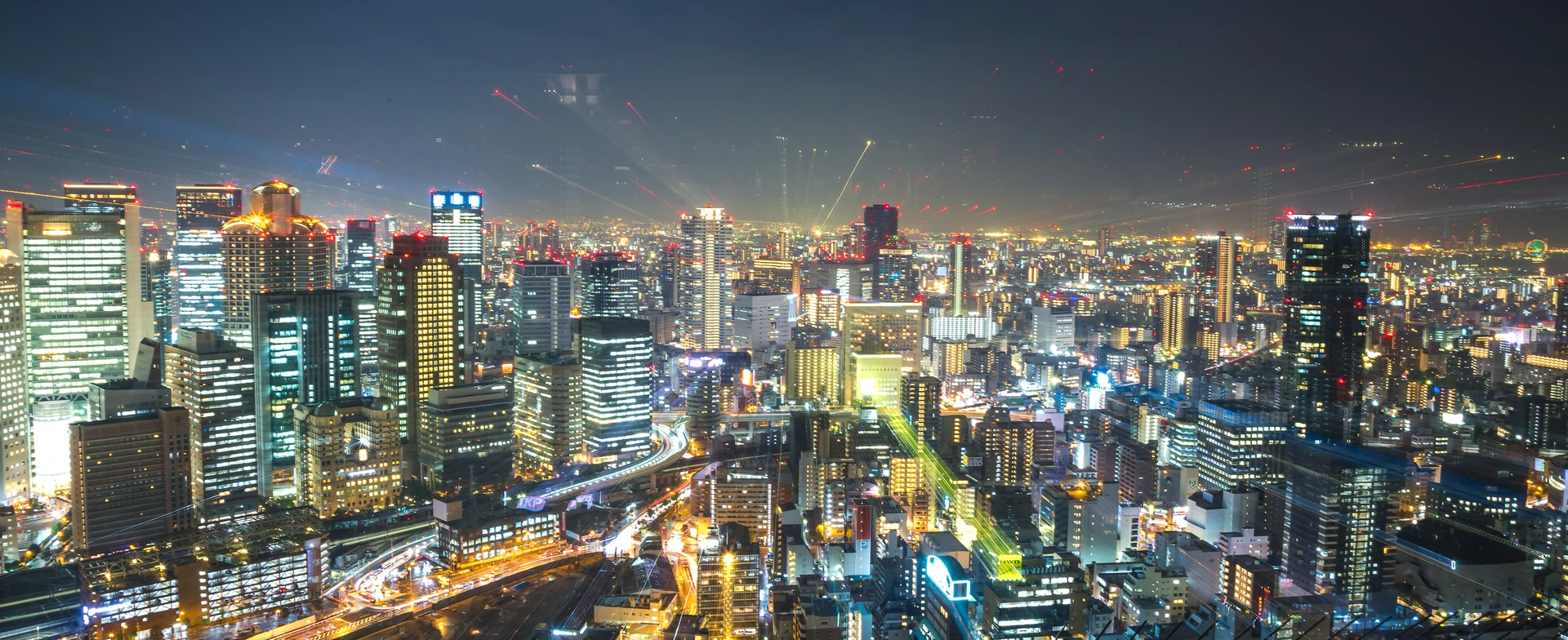
City lights bring a different rhythm to the evening. Keep it simple with dinner in one district and a view of the skyline afterwards.灯りが
02 / GUNMA02 / 群馬
Mountain towns.
Stories in silk.山の
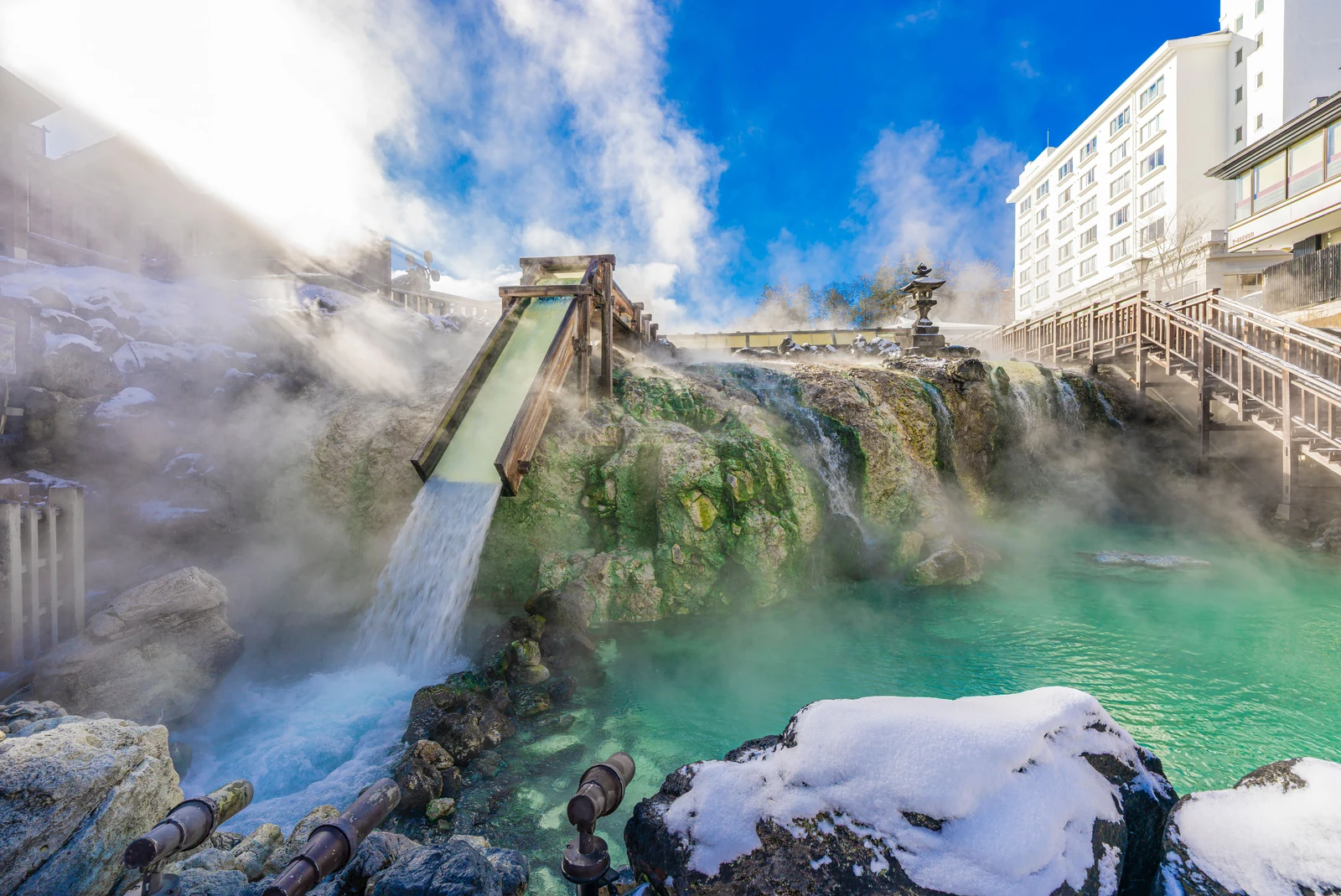
In Gunma, the mountain landscape is part of the townscape. Kusatsu and Ikaho are known for their hot springs, with streets that invite a closer look at the life of an onsen town. Minakami opens another view of the prefecture through its rivers, valleys and surrounding mountains.群馬では、
At the World Heritage-listed Tomioka Silk Mill, timber-framed brick buildings preserve a chapter of Japan's modernisation. The reeling factory, cocoon storehouses and workers' residences make the story tangible: silk was not only a beautiful material, but an industry that connected Japan with the world.世界遺産の
These established onsen towns offer their own settings and street scenes. An interest in the town itself can shape the visit, alongside accommodation choices.歴史ある
The preserved mill tells a story of Japan's industrial development. It is a cultural counterpart to Gunma's mountain scenery, for visitors interested in history.保存された
A visit to an onsen town need not include bathing. If your stay includes a medical procedure, bathing plans should follow your clinical team's advice.温泉街の
03 / TOCHIGI03 / 栃木
Ornament & landscape.
The work of many hands.社寺の
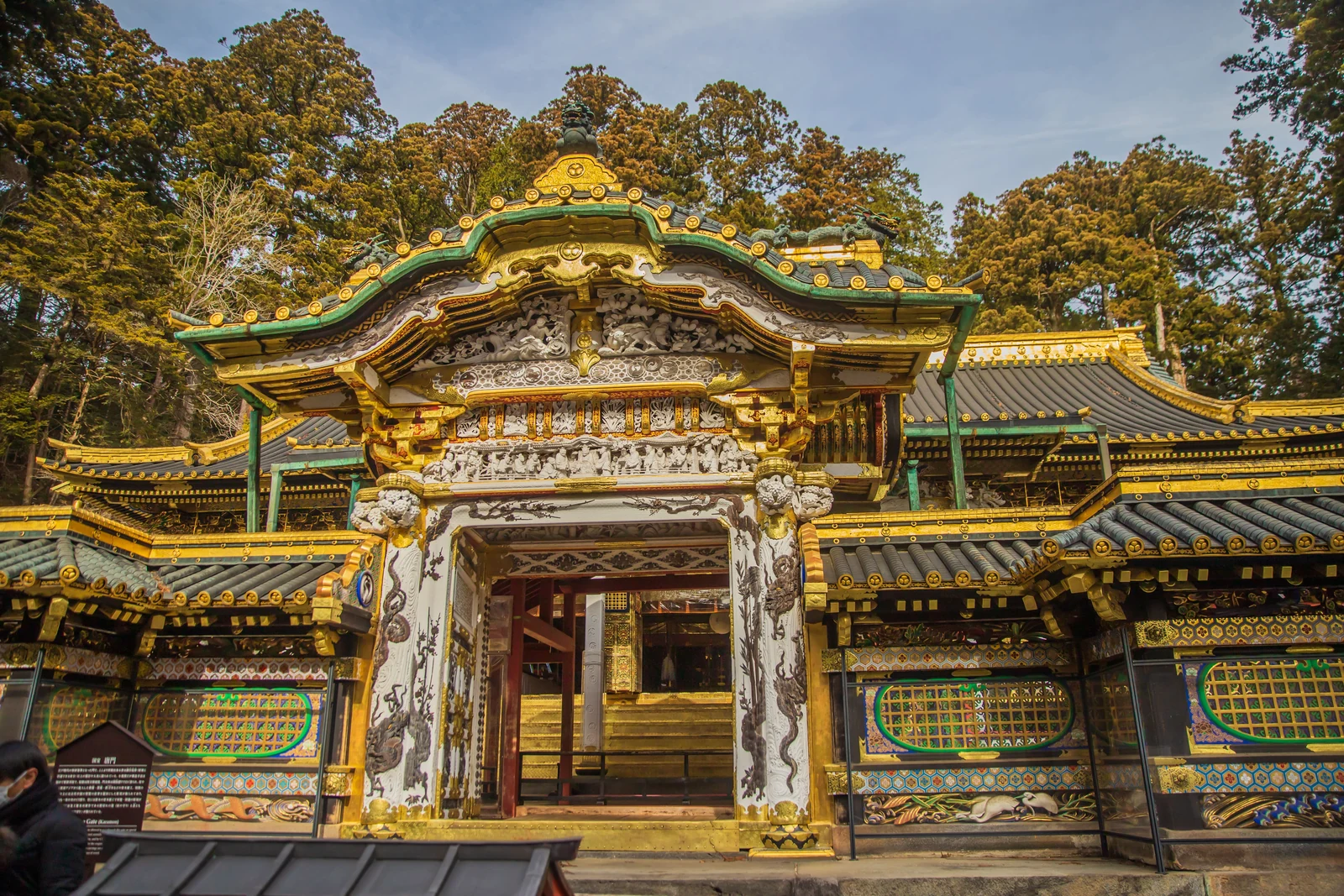
Nikko's richly decorated shrines and temples offer an intricate view of Japanese architecture. Their carved and painted details invite time rather than a hurried circuit. Nearby Lake Chuzenji shifts the focus to the mountains, with a landscape that changes markedly through the seasons.日光の
Mashiko brings the story down to the scale of a bowl or a cup. Pottery shops and museums introduce the town's ceramic traditions, including its connections with the Mingei folk-craft movement. In Utsunomiya, gyoza offers another expression of local culture, this time through food.益子では、
Combine an appreciation of shrine and temple details with mountain scenery, if time allows. The lake offers a distinct contrast to the decorated buildings.時間に
Take a closer look at the town's ceramic traditions through its pottery shops and museums. A single bowl can become a lasting reminder of the journey.器の
Temple grounds and mountain visits can involve steps and substantial walking. Share your preferred pace and mobility needs before the route is planned.社寺の境内や
04 / HAKONE04 / 箱根
A lake. A mountain.
Art in the open air.湖と
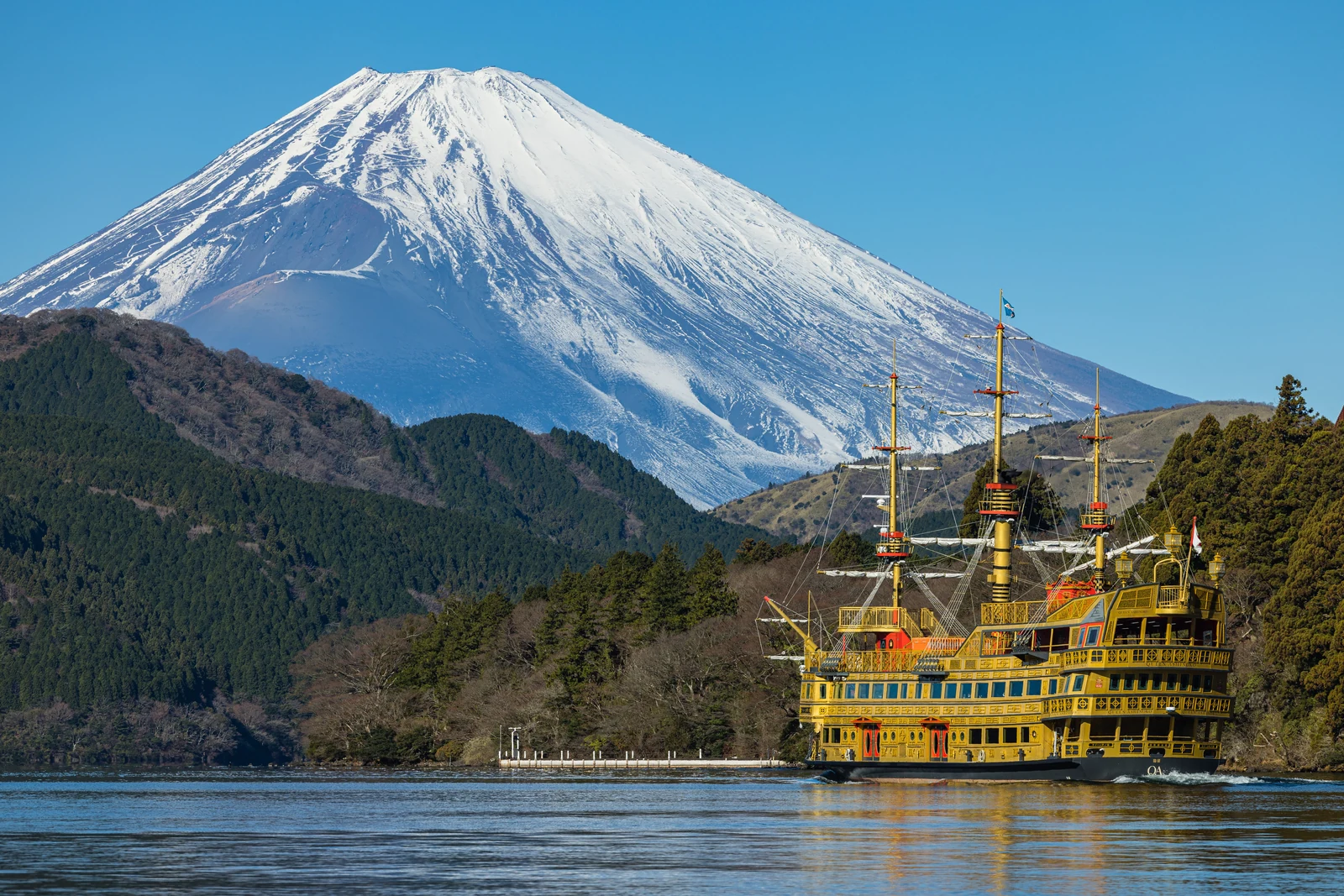
Hakone brings lakeside views, wooded hills and art into the same journey. Part of Fuji-Hakone-Izu National Park, it is a longstanding resort region known for hot springs. Lake Ashi offers one of its defining landscapes, with views towards Mount Fuji when the weather allows.箱根では、
At the Hakone Open-Air Museum, sculptures by Japanese and international artists stand in an outdoor setting. Elsewhere, the Hakone Tozan Railway passes through forest and crosses bridges above gorges. Art, engineering and landscape become different ways of seeing the same mountainous region.彫刻の
Make the lakeside scenery the centre of your visit. On clear days, the view towards Mount Fuji adds another layer to the surrounding mountains.湖畔の
Sculpture and outdoor space make this a distinct cultural stop. Allow time to appreciate the works and consider the amount of walking involved.彫刻と
Mount Fuji visibility depends on the weather. Transport conditions and any bathing plans are checked separately; medical aftercare advice takes priority.富士山の
05 / YOKOHAMA05 / 横浜
A city facing
the water.海に
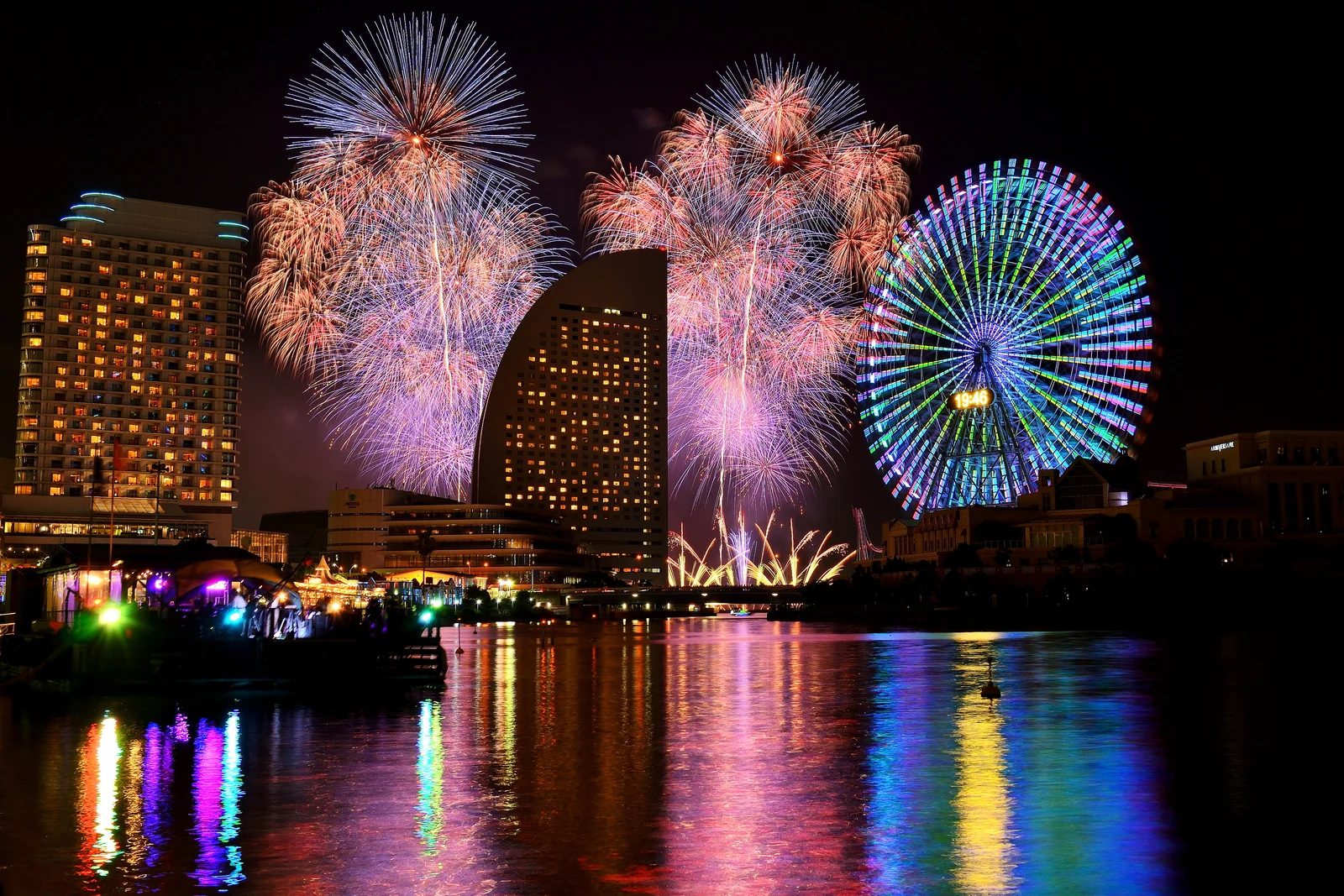
Yokohama's identity is tied to its harbour and to the cultures that came through it. Minato Mirai's skyline, the Red Brick Warehouse and Chinatown offer different readings of the city. Shopping and a meal can sit naturally alongside time by the waterfront, without a crowded sightseeing schedule.横浜の
Sankeien brings historic architecture into a traditional garden setting. A thatched-roof house from Gifu and a three-storey pagoda relocated from Kyoto sit within the landscape. Seasonal changes frame these buildings differently, revealing a side of Yokohama far removed from the towers of its waterfront.三溪園では、
The skyline and harbour provide the setting for a city day. The Red Brick Warehouse brings a historical layer to the modern waterfront.都市の
Choose the lively shops and restaurants of Chinatown, or the landscape and historic buildings of Sankeien. Each offers a different side of Yokohama.中華街のにぎやかな
06 / KAMAKURA06 / 鎌倉
An ancient capital.
An open horizon.古都を
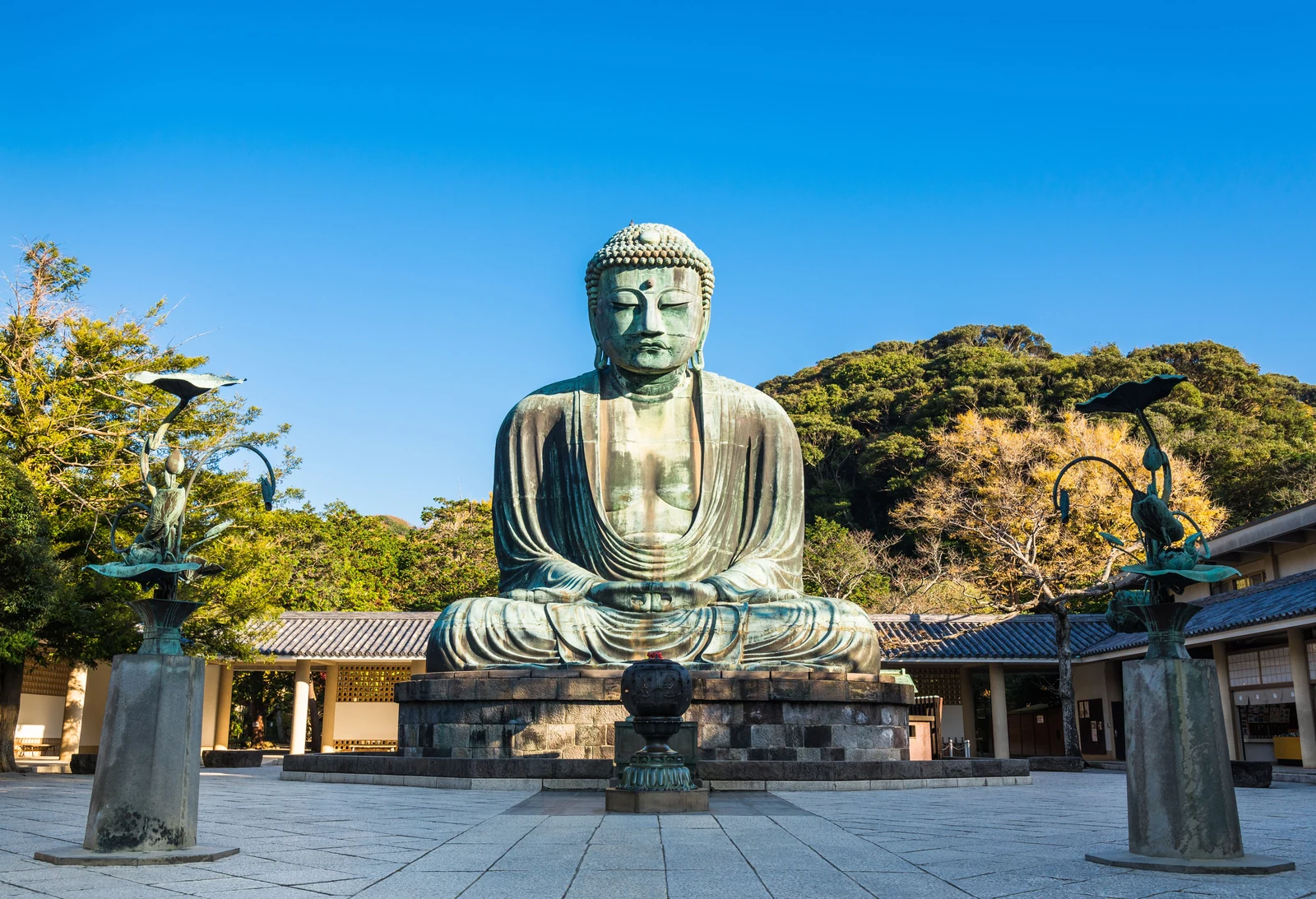
Kamakura places a former political capital close to the sea. The bronze Great Buddha at Kotoku-in is one of its most recognisable landmarks, while its old Zen temples offer a deeper encounter with the town's history. The shops of Komachi-dori add an everyday rhythm between cultural visits.かつて
Tsurugaoka Hachimangu is closely tied to the development of the town and its shogunate history. Beyond the shrine and temple precincts, Kamakura's beaches open the view towards the coast. The contrast between wooded religious grounds and the sea gives this small city its distinctive sense of place.鶴岡八幡宮は、
Kotoku-in's Great Buddha and the town's Zen heritage offer distinct cultural visits. Choose the grounds you most want to explore, with time for each.高徳院の
Local shops give way to another side of the town at the coast. A meal, a browse or a sea view adds variety to the visit.街の
Temple approaches can include steps and uneven ground. A shorter route and suitable transfers can be considered when walking distance is a concern.寺院への
YOUR TIME IN JAPAN日本で
These are starting points for a personal itinerary. The route takes shape around your dates, interests and the people travelling with you.この
Confirm medical appointments, preparation, rest and any follow-up first. Travel plans are then considered within that schedule and in line with your clinical team's advice.受診、
A neighbourhood, a garden or a mountain town can be enough for one day. Transfer times, opening arrangements and weather help determine which places belong together.ひとつの
Share mobility needs, dietary preferences and who is joining you. A family outing and a quieter individual day may need different routes, transport and time to rest.移動への
ANOTHER STARTING POINTもう
YOUR JOURNEY, YOUR PACEあなたの
Tell us which places caught your attention and how much time you have. We will discuss a Tokyo-area itinerary around your stay and confirm the arrangements before booking.気になった